- 01
Immersion
Conversations with leadership and the team, review of the current architecture, AI flows, costs and available logs.
- 02
Analysis
Context, governance, cost and observability risks assessed in your real setting, with alternatives and trade-offs.
- 03
Recommendation
Target architecture, decisions recorded as ADRs and a 90-day plan, presented to leadership and the team.
- ✓Map of the current AI architecture (sources, flows, models, integrations)
- ✓Risks prioritized by impact and effort
- ✓Target architecture with the key decisions recorded as ADRs
- ✓A 90-day plan with the first steps
- ✓Cost reading: where the spend is and where to save
- ✓Presentation session for leadership and the team
- →Companies with an AI pilot that needs to reach production
- →Teams with AI in production and cost, quality or governance out of control
- →Leaders who need to decide architecture, vendors and next investments
- −Those looking only for implementation, without reviewing the architecture
- −Projects without a defined use case yet
Start with the free X-ray or a 30-minute call. If it makes sense, the diagnosis is the next step.
Do I need to give access to code and data?+
Not necessarily. The diagnosis works with documentation, conversations and demos. With access the analysis goes deeper, always under a confidentiality agreement.
Is it remote?+
Yes, fully remote, with scheduled sessions over the two weeks.
What happens after the diagnosis?+
You keep the plan and can execute it with your team. If you want, we continue together on implementation or with mentoring for the team.
How is it different from the 30-minute call?+
The call tells whether there is a problem and how big it is. The diagnosis analyzes your actual system and delivers the path to solve it.
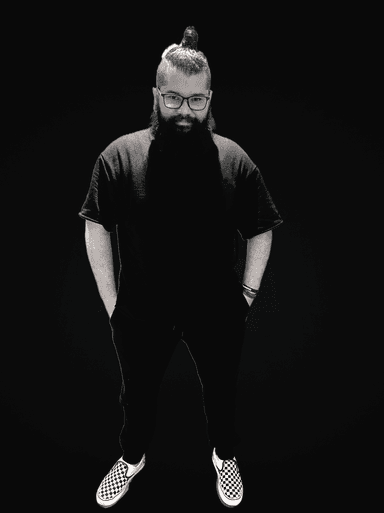
I run the diagnosis myself, from start to finish, with no middlemen.